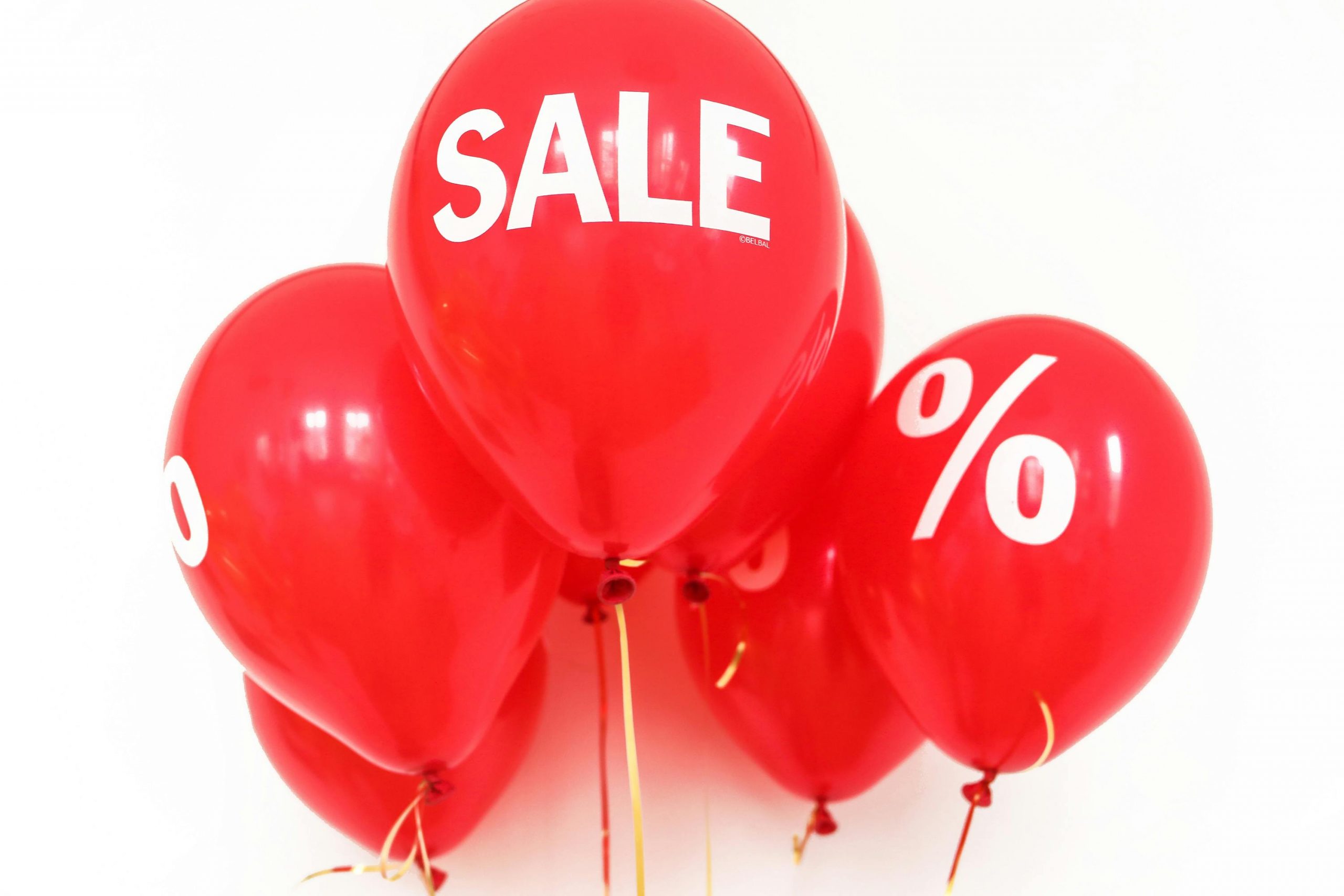
When we think about promotional offers, we usually go straight for price cuts or flashy headlines. But the best incentives tap into something far more powerful: human motivation. Understanding why people say yes is the secret behind offers that actually move the needle.
Promotions are a long-standing staple of business growth, but in a crowded, value-conscious market, “20% off” alone rarely cuts it. Your customers are savvy, selective and emotionally driven, and they want to feel clever, rewarded and understood. This is all part of the psychology of marketing.
Why motivation matters in marketing
Motivation is what pushes us to act. In consumer behaviour, this usually falls into two camps: extrinsic and intrinsic motivation.
Extrinsic motivation is the obvious one. Discounts, freebies and limited-time deals give people a clear, tangible reason to buy now (not later). Intrinsic motivation is subtler. It is about how the offer makes someone feel. Exclusive. Valued. Part of something special.
The most successful promotional offers seamlessly combine both elements. The focus should be on making your customers invest in your product or service, not just saving them a few quid. It’s exclusive early access rather than blanket discounts, or value-added extras instead of price slashing. These approaches trigger both emotional buy-in and rational decision-making.
The psychological triggers that make offers convert
Certain behavioural cues consistently drive action. One of the most powerful is urgency. Time-limited offers work because they create a fear of missing out if you don’t act now. When the window feels small, the decision feels bigger.
Exclusivity is another strong motivator. Offers framed as “members only” or “by invitation” tap into our desire to belong. Even when the deal itself is modest, the sense of access can dramatically increase its appeal.
Then there is perceived value. A free upgrade, added service, or experience often feels more generous than a straight discount, even when the monetary value is the same. The framing matters just as much as the figure.
What separates a good offer from a great one
A great promotional offer is clear, simple and instantly understandable. If customers need to read the small print twice, the momentum is lost. Ease of redemption is critical. The fewer steps between interest and action, the higher the conversion rate.
Trust also plays a big role. Overly aggressive promotions can feel gimmicky and risk damaging brand credibility. The most effective offers align with the brand’s wider positioning and customer expectations.
Many UK businesses are leaning into smarter, more strategic promotions for this reason, focusing on long-term growth rather than short-term spikes. As highlighted in this analysis of why UK companies are banking on promotions for growth, thoughtful execution is what turns deals into dependable drivers of revenue.
Execution is everything
Even the most tempting offer can fall flat if it lands in front of the wrong people or pops up at the wrong moment. That is why segmentation really matters. When promotions are shaped around how customers behave, where they are in their journey, or how they have engaged before, they feel more personal and considered than mass-produced.
It is also worth thinking carefully about what you are offering. Discounts are great for driving quick wins, but value-added incentives often do more for long-term brand love. Timing plays its part too, whether that means tapping into seasonal moments or showing up just when customers are already in the mood to buy. And finally, keeping an eye on what actually works, from redemption rates to longer-term customer value, makes it much easier to fine-tune future campaigns without relying on gut instinct alone.
Thinking beyond the first conversion
Treat promotions as the beginning of a relationship, not the end. A well-designed offer will introduce customers to a product, build trust and encourage repeat behaviour.
Linking promotions to loyalty schemes, personalised follow-ups, or experiential rewards helps extend their impact beyond the initial sale. When customers feel rewarded rather than rushed, they are far more likely to return.
The takeaway
Promotional offers convert best when they are rooted in psychology, not panic discounting. By understanding motivation, designing with intention and executing with clarity, businesses can create campaigns that feel generous, relevant and genuinely compelling. If you are looking to plan and execute successful promotional offers with Active Consultancy, a strategic, insight-led approach can help turn motivation into measurable growth.